The subjective nature of music is what keeps many of us intrigued, and it is also what ensures the art form’s lasting relevance. No matter how established genres become, or how frequently familiar themes are revisited, music continues to find new audiences because it reflects the world as it is now. Love is still love, but the way it was expressed in the 1960s is very different from how it is portrayed in 2025, allowing modern listeners to connect more deeply with contemporary artists than with those of the past.
Whether you agree or disagree with these ideas, the fact that every opinion remains valid is what makes music so powerful. People will always want to feel something, and as long as that remains true, music will always have a place—regardless of whether its so-called objective peak has already passed.
This subjectivity is also why debates about the greatest artists of all time never truly end. Countless evenings have been spent arguing over who is better—Jay-Z or Nas, Slash or Angus Young, Jimi Hendrix or Jeff Beck—without any hope of resolution. Yet even in a medium as personal as music, there are a few names that seem to transcend debate. Almost universally, The Beatles and Led Zeppelin are accepted as two of the greatest bands ever to exist.
Their influence extends far beyond their records; they reshaped the musical landscape itself, leaving legacies that continue to shape artists decades later.
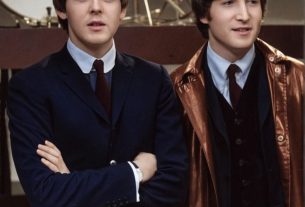
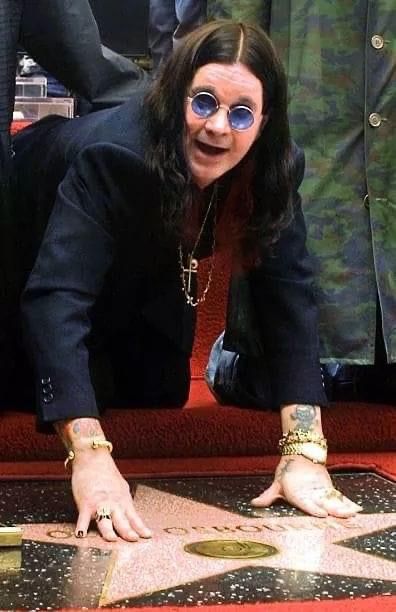
Ozzy Osbourne is among those who firmly believe in the unmatched importance of The Beatles. Growing up in post-war Britain, he has often spoken about how bleak life felt before their arrival, and how dramatically they changed the atmosphere of the time.
For Osbourne, The Beatles didn’t just make great music—they transformed culture. “Imagine you go to bed today and the world is black and white, and then you wake up and everything’s in colour,” he once said. “That’s what it was like.” To him, their impact was nothing short of revolutionary, giving people permission to feel joy, excitement, and possibility again.
That same sense of awe carries over into his view of Led Zeppelin. While many rock bands emerged during the late 1960s and 1970s, Zeppelin stood apart by stretching the limits of what rock music could be. By blending blues, folk, hard rock, and mysticism, they expanded the genre’s boundaries and proved how powerful and versatile it could be. Osbourne has recalled hearing their debut album and feeling as though something entirely new had arrived—music that was bold, heavy, and experimental, yet still accessible.
Taken together, it’s clear why Ozzy Osbourne believes The Beatles and Led Zeppelin sit at the very top of rock history. One redefined melody, songwriting, and popular culture; the other reshaped power, ambition, and scale in rock music.
In a world where musical greatness is endlessly debated, these two bands remain rare points of agreement—not just because of what they achieved, but because of how profoundly they changed everything that followed.